
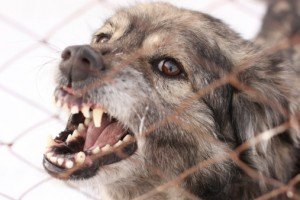
Each year, about 4.5 million people are bitten by dogs, with about 885,000 of those needing medical attention for their injuries, according to the Centers for Disease Control and Prevention. About half of dog bite victims are children.
Most of the time, children suffer dog bites to the face, head or neck. Their injuries often require extensive medical attention, including surgery and even expensive reconstruction procedures to reduce scarring, prevent vision loss and minimize disfigurement.
The Insurance Information Institute reports that more than 75 percent of dog bites involve a pet that belongs to a family member or friend.
You can take steps to reduce the chances your child will suffer a dog bite. It’s important to educate children about the dangers dogs may pose. Young children can’t be expected to accurately read a dog’s body language. It’s best to focus on gentle behavior and how dogs have likes and dislikes.
The combination of a young child who may not understand boundaries and a dog protecting its turf can be dangerous. Here are some tips to keep your children safe around dogs:
- Always ask a dog’s owner for permission to pet it. It’s also a good idea to ask the dog owner if the dog is friendly or likes children.
- Teach children that when they meet a new dog, they should allow the dog to come to them. Show them how to crouch or turn to the side and let the dog sniff their hands before they pet it.
- Explain to kids that dogs are not toys. Teach them to never pull a dog’s ears or tail, or climb on or try to ride dogs. Sometimes children want to carry or drag a smaller dog. Don’t let them do this.
- Teach children to stay away from unfamiliar dogs. If you see a loose dog wandering around without its owner, consider leaving the area and reporting the dog to animal control. As a parent, it’s important to report dogs that frequently get loose in your area.
- Teach children not to put their face close to an unfamiliar dog.
- Instruct children on what to do if they are confronted by an aggressive dog. Teach them to quietly and confidently walk away. Tell them to stand still if a dog goes after them and show them how to take a defensive position. Teach them to “be like a tree” — stand quietly, with their hands low and clasped in front of them, remain still and keep their head down, looking at their feet. Instruct them that if they are knocked down, to curl into a ball and cover their head and neck with their arms.
- If a child comes upon an aggressive dog, teach the child to stay quiet and avoid making the situation worse by yelling, running, hitting or making sudden movements toward the dog. Also teach the child to remain still and avoid eye contact, and if the dog stops paying attention to him or her, slowly back away.
- Teach children that a dog has to want to play with them. When the dog leaves, let it go. If it feels like it, the dog will return for more play.
- Tell children to leave dogs alone when they are eating or sleeping.
- Teach children to leave the dog alone if it goes to its bed or crate. Tell kids the bed or crate is the dog’s space to be left alone. If you’re using a crate, it should be covered with a blanket and be close to a family area. Isolating the dog or its crate may accidentally encourage bad behavior.
- Teach children not to tease dogs by taking their food, treats or toys.
- Never leave young children – especially infants and toddlers – alone with a dog. Dogs do not belong in small children’s rooms without constant, direct supervision.
- Some dogs don’t like being dressed up. Discourage children from “playing dress-up” with dogs.
Even if you and your child follow these safety suggestions, there is still a chance that an aggressive dog will attack unprovoked. If your child is bitten by a dog, you should contact a qualified personal injury attorney for advice about your legal right to compensation for the injuries. It’s important to keep in mind that homeowner’s insurance often covers dog bite injuries, so you should not be concerned about bringing a claim if a friend, neighbor or relative’s dog hurt your child.
Sources:

 Categories
 Archive