Patients go into surgery expecting to get better, not worse. So when one leaves you with more pain, added medical problems, or a longer recovery, you’re right to have questions. One common medical mistake, anesthesia errors, can change the course of a procedure in a matter of minutes. Even a small mistake with anesthesia may lead to serious complications, lasting harm, or, in the most tragic cases, death.
At Joye Law Firm Injury Lawyers, we know that patients and families facing the aftermath of a medical mistake feel overwhelmed and outmatched by powerful insurance companies, hospitals, and healthcare systems. That’s why our team is committed to providing compassionate guidance, determined advocacy, and honest answers to people who deserve to have their voices heard. We proudly stand up for the underdogs by fighting to hold negligent parties accountable and pursuing the justice our clients deserve.
If you believe an anesthesia mistake caused serious harm to you or someone you care about, contact our team for a free consultation to discuss your legal options.
What is an Anesthesia Error?
South Carolina legal code §15-79-110 defines medical malpractice as doing something a reasonably prudent health care provider would not do, or failing to do something that a reasonably prudent provider would do in the same or similar circumstances.
Anesthesia relies on careful planning, correct drug selection, proper dosing, and constant monitoring during medical procedures. The American Society of Anesthesiologists states that during all procedures involving anesthetics, the patient’s oxygenation, ventilation, circulation, and temperature must be continually evaluated. Those standards matter because monitoring vital signs helps prevent severe complications during anesthesia, and advanced monitoring systems improve patient safety.
An anesthesia error happens when an anesthesiologist, nurse anesthetist, or other medical provider fail to meet the accepted standard of care before, during, or after anesthesia administration. These mistakes can involve general anesthesia, local anesthesia, sedation, pain management, airway protection, oxygen levels, blood pressure, or post-operative monitoring.
Why Anesthesia Errors Occur
Many anesthesia mistakes begin before the first anesthetic drugs are given. A safe anesthesia process depends on a full review of the patient’s medical history, the patient’s age, allergies, prior reactions, current medications, and dangerous drug interactions. Missing part of a patient’s medical history can lead to the wrong drug, the wrong dose, or a harmful reaction.
Common causes of anesthesia errors include:
- Human error (miscalculations, communication breakdowns, fatigue, and failure to properly monitor the patient)
- Equipment failure (poor maintenance, calibration problems, and inadequate protocols for anesthesia equipment
Many anesthesia injury claims stem from preventable breakdowns in communication, preparation, monitoring, training, or equipment maintenance.
Examples of Preventable Anesthesia Injuries
Common anesthesia errors may include: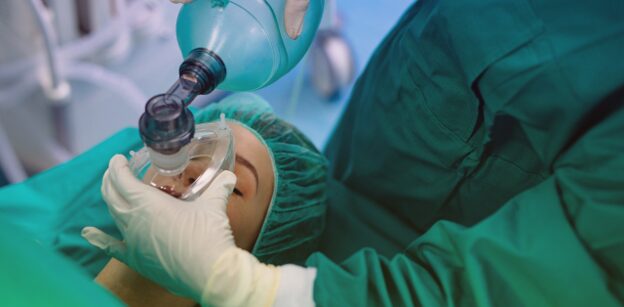
- Administering anesthesia without fully reviewing medical records or known allergies
- Giving the wrong drug or incorrect dose
- Failing to provide adequate ventilation or secure the airway
- Failing to properly monitor vital signs during surgical procedures
- Missing signs of anesthesia awareness, inadequate sedation, or adverse reactions
- Failing to respond to medication errors or dangerous drug interactions in time
These are not minor problems. Anesthesia complications can escalate fast, and the consequences can be catastrophic.