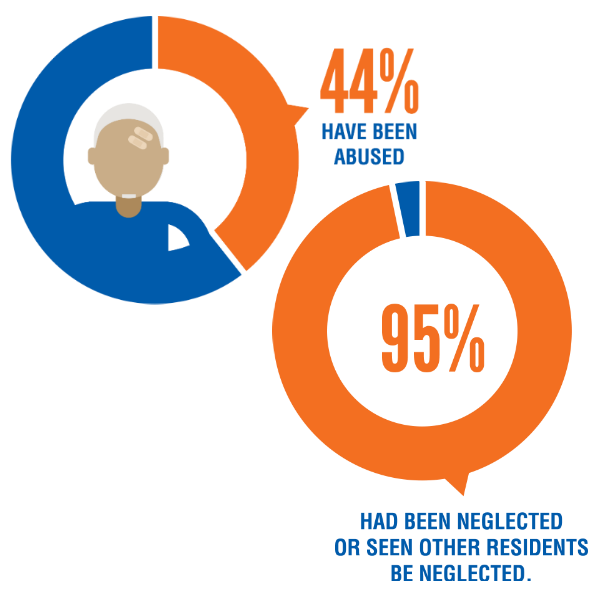
Nursing Home Abuse Takes Several Forms:
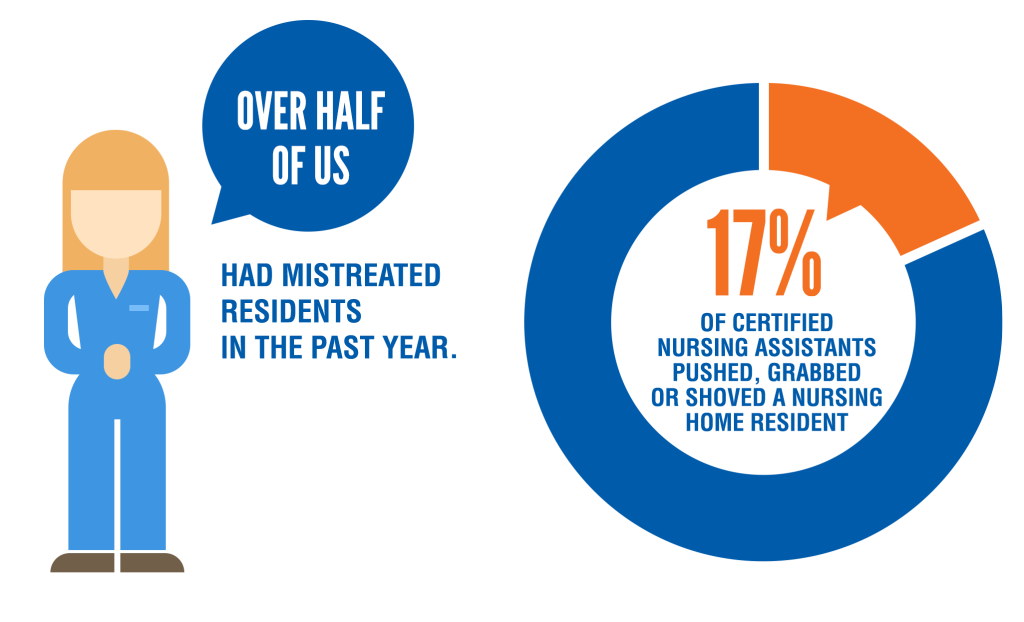
- Physical Abuse: This is essentially any use of force against a vulnerable person that was not the result of an unintentional accident. South Carolina’s Omnibus Adult Protection Act gives the following examples of physical abuse: “slapping, hitting, kicking, biting, choking, pinching, burning.” Physical abuse can also include the inappropriate use of drugs to “chemically restrain” a patient.
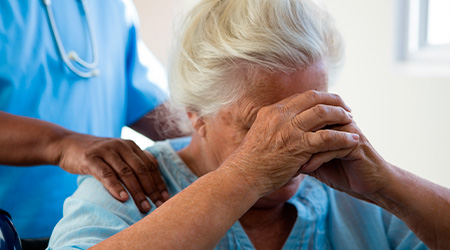
- Emotional Abuse: Nursing home personnel can inflict emotional abuse on residents by leaving them in a state of emotional distress, anxiety, or fear. They can also ignore a resident or leave the person in isolation. The South Carolina Adult Protection Act defines it as “deliberately subjecting a vulnerable adult to threats or harassment or other forms of intimidating behavior causing fear, humiliation, degradation, agitation, confusion, or other forms of emotional distress.”
- Sexual Abuse: This includes any non-consensual sexual contact between nursing home personnel and a resident. Sexual abuse in a nursing home is particularly troubling because the resident is typically incapacitated to some degree, and the staff member generally has a degree of power, authority, and dominance over them. Sexual abuse does not necessarily have to include touching. It could consist of forcing a resident to view pornography or other people’s sexual acts or forcing the resident to undress for no reason. The nursing home can also be held accountable for failing to prevent or react to resident-on-resident sexual assaults and harassment.
- Financial Exploitation: Because many nursing home residents are lonely and looking for friends, they can become an easy target for an unscrupulous nursing home staff member who sees the resident as a source of easy money. While residents can be the victims of outright theft, they are more likely to be scammed or tricked into giving away their life savings. They are also frequently victims of identity theft and healthcare fraud, which is where a facility charges for services that are not provided, even though the resident might be in desperate need of them.
If you suspect that your loved one is being subjected to any type of abuse or neglect at a nursing home or assisted living facility, don’t wait to get help. Contact a South Carolina nursing home abuse lawyer today to schedule a free, no-obligation consultation.
Signs of Nursing Home Neglect and Abuse
The best way to prevent your loved one from falling victim to serious neglect or abuse is to keep close tabs on them by visiting often. During your visits, you should keep an eye out for the following warning signs of abuse and neglect:
- Untreated cuts, wounds, or sores
- Soiled clothes or bedding
- Signs of poor hygiene, including the smell of urine or feces
- Unexplained weight loss
- Fearfulness or withdrawal from normal activities
- Unexplained changes in alertness
- Evidence of unexplained sexually transmitted diseases or injuries to the mouth, genitals, anus, or breasts
- Distress when being changed or bathed, or fear of a certain individual
- Bruises or abrasions
- Torn, stained, or bloody clothing or bedding
- Hair loss
- Untreated bedsores
- Unresponsiveness
- Loss of bowel or bladder control
- Unusual financial transactions
- Strange behaviors
- Staff won’t leave you alone with the resident
- Staff won’t let you visit the resident
If your loved one is being neglected or abused in their nursing home, you might notice a difference in their personality and behavior. For example, if your loved one was once gregarious and talkative, they might now appear sullen and withdrawn.
It’s also possible that when you ask them about the care they’re receiving, they might be standoffish and not want to go into detail. In some cases, nursing home residents are suffering from some form of dementia, making it even more challenging for loved ones to communicate with them.
Every case is different, and nursing home residents can respond very differently to the mistreatment they’ve experienced. If you are wondering which next steps you should take, consider seeking legal help from experienced nursing home abuse lawyers.
I Suspect Nursing Home Abuse, What Should I Do?
If you believe that your vulnerable loved one is being abused in a nursing home, you need to jump into action. Even if you are not entirely sure that abuse or neglect is actually occurring, you need to take the issue seriously. It is important to note that nursing home abuse is notoriously difficult to catch. In many cases, a smoking gun will not be immediately apparent.
You owe it to your loved one to follow up on any reasonable suspicions that there is some type of mistreatment occurring. An experienced South Carolina nursing home abuse attorney can help you make sure that your loved one is fully protected. In cases where you believe abuse or neglect is still ongoing, you should report the issue to the South Carolina Department of Health and Environmental Control (DHEC). This agency has the tools available to help you put a quick stop to any issues. In cases where emergency assistance is necessary, please dial 911.
There is no better option than 911 in emergency cases. You can never be too careful with nursing home abuse. Once the immediate threat to your loved one has been neutralized, your attorney can help you assess what legal action needs to be taken against the assisted living facility. Negligent nursing homes must be held fully accountable for any damages that they have caused. Ultimately, we put a considerable amount of faith in these facilities to care for our most vulnerable loved ones. They have a duty to provide adequate care. When they fail to live up to that duty, corrective action must be taken.
What Type of Compensation is Available for Nursing Home Abuse Victims?
In South Carolina, nursing home abuse victims are entitled to compensation that makes up for the full extent of their losses. You or your loved one may be entitled to financial compensation for:
- Costs to relocate
- Any medical costs related to the abuse
- Pain and suffering
- Legal fees
- Lost income
- Living expenses
- Reimbursement for missing or damaged property
- Therapy
- Rehabilitation or physical therapy
- Mental anguish and emotional distress
- Wrongful death
Additionally, in a very limited number of nursing home abuse cases, punitive damages may be available. Punitive damages are a form of compensation that is awarded to the victim but is not meant to make up for the victim’s losses. Instead, the purpose of punitive damages is to punish the very bad actions of the defendant. Punitive damages are only awarded in cases that involve especially egregious conduct.


 South Carolina Nursing Home Neglect